Our Work
Good Grief in GP practices
GPs are often the first place a family turns following a bereavement. Our aim is to integrate bereavement support within primary care across Northern Ireland - starting with one pilot practice, and growing from what it teaches us.

Why primary care
Often the first place a family turns
GPs are often among the first professionals a family encounters following a bereavement. Most bereaved people will never access specialist bereavement services - and many do not need them. What helps most is accessible, evidence-informed support that normalises grief and supports healthy adjustment following loss.
That is why Noah’s Story Charity is working to bring the Good Grief Programme into primary care. Offered through GP practices, the Good Grief Kits can provide an accessible early-intervention resource, helping families begin supportive conversations and grief-informed activities within their own homes and communities. There is a kit for every age and stage: Littles (ages 3–8), Middles (ages 8–12), Teens (ages 12–18) and Adults (18+).
This work is Strategic Priority 2 of our 2027–2031 plan. It begins deliberately small - with a single practice, done well.
Status: Pilot
Where this work is today
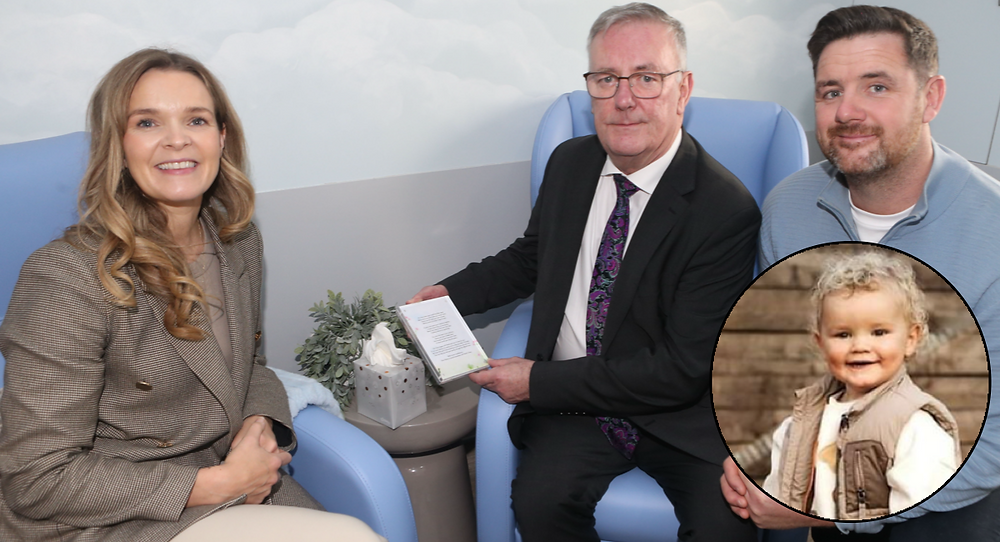
In 2027 - the Year One focus of this work - we will establish our first Good Grief Partner Practice. The pilot builds on collaboration between Noah’s Story Charity, Trustee Director Linda Doherty Riley, consultation with MDT social workers and our first Partner Practice, and represents a practical example of social workers working collaboratively to improve outcomes for individuals, families and communities.
The Year One pilot
What the pilot sets out to do
One practice, done properly. The pilot exists to prove the model before the programme grows any further.
-
Test the Good Grief Kit model
Offer the four age-stage kits through a real GP practice and learn how they work as part of everyday primary care.
-
Gather service-user feedback
Listen to the bereaved children, young people, adults and families who receive a kit, and let their experience shape the programme.
-
Assess impact
Look honestly at the difference the kits make, building the understanding that will guide what comes next.
-
Develop a scalable programme
Turn what the pilot teaches us into a programme that can be offered through further GP practices in a wider roll-out.
Status: Planned
Planned for 2028–2030
Shaped by what the pilot teaches us, we then aim to expand into additional GP practices, engage GP Federations, explore social prescribing opportunities and develop awareness resources for healthcare professionals.
None of this wider roll-out has happened yet. It depends on the Year One pilot, and we will only grow the programme as fast as we can grow it well.
Get involved
Become a Good Grief Partner Practice
If your practice would like to offer the Good Grief Kits as the programme develops, we would love to hear from you. Tell us a little about your practice and we will be in touch as the roll-out takes shape.